Quick Verdict: Audifort leans on a long list of plant extracts, antioxidants, and a few minerals that show up again and again in ear-health and circulation research. None of the ingredients are exotic or unusual for the category. The formula looks reasonable on paper, but there’s no independent clinical trial on the finished Audifort product itself — only on some of its individual ingredients in other contexts.
Affiliate Disclosure: This page contains affiliate links. If you buy through them, HonestHealthFiles.com may earn a small commission at no extra cost to you. This does not change our editorial approach. Medical Disclaimer: This article is for general information only and is not medical advice. Audifort is a dietary supplement, not a drug, and it is not intended to diagnose, treat, cure, or prevent any disease. Talk to a doctor or audiologist about any hearing concerns, especially sudden changes in hearing. Fact Checked: Claims below are cross-checked against publicly available product materials and general nutrition research where noted. Research Method: We reviewed the publicly listed label and ingredient information for Audifort and compared it against general research on each ingredient category.
First Look At The Bottle
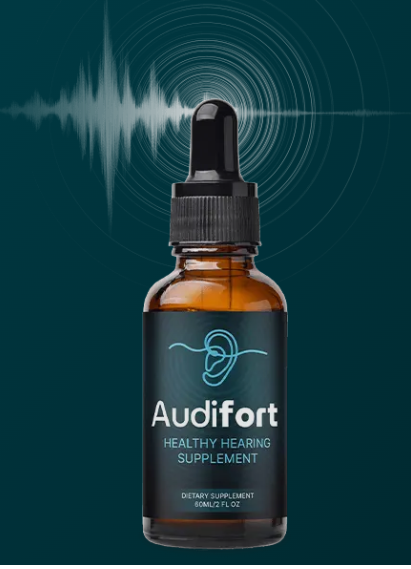
Audifort is a liquid drop supplement sold as a hearing and tinnitus support product. Instead of a capsule, you get a dropper bottle — the label lists a 60 ml bottle with a 1 ml serving size, which works out to roughly 60 servings per container. That’s a fairly common format in the hearing-support category right now, and it’s worth knowing upfront if you’d rather swallow a pill than measure out drops.
The company positions Audifort as a plant-based formula aimed at three things: easing the perception of ringing or buzzing in the ears, supporting general auditory comfort, and backing up mental clarity. Those are the claims on the label. Whether they hold up for any one person depends on a lot of individual factors, which is really the point of this piece.
Who Makes Audifort
Audifort is sold online directly through its own website rather than in stores. Manufacturing is described as taking place in an FDA-registered facility in the United States, using a mix of domestic and imported raw ingredients. An FDA-registered facility means the site is registered with the agency for oversight purposes — it does not mean the FDA has approved or evaluated the specific product, and that’s true for essentially every supplement on the market, not just this one.
Retail processing for Audifort runs through a third-party payment processor, which is standard practice for direct-to-consumer supplement brands. It’s a normal setup, but it’s worth understanding that the checkout page may not be hosted on the brand’s own domain.
Inside The Formula
Reading through the label, Audifort’s ingredients fall into a few loose groups: antioxidant plant extracts, a couple of adaptogenic herbs, a calming amino acid, and a handful of trace minerals and vitamins. Some versions of the label group these into named “blends,” while others just list everything together. The core recurring names across the product’s own materials are grape seed extract, maca root, green tea extract, capsicum annuum, gymnema sylvestre, GABA, zinc, and a small vitamin and mineral set that typically includes vitamin C, vitamin E, copper, selenium, and chromium.
None of these are unusual or exotic. They show up throughout the general supplement world for circulation support, antioxidant support, and stress-related formulas. What makes a formula like this interesting isn’t any single ingredient — it’s whether the combination and the dosing make sense together, and that second part is hard to verify from a label alone, since exact milligram amounts for a liquid blend aren’t always broken out per ingredient.
Ingredient Notes
Grape Seed Extract
What it is: an extract taken from the seeds of grapes, rich in compounds called proanthocyanidins.
Why it’s included: proanthocyanidins are studied mainly for their antioxidant activity and their possible role in supporting blood vessel health.
Available research: there’s a reasonable body of general nutrition research on grape seed extract and circulation, though most of it isn’t specific to hearing or tinnitus.
Limitation: antioxidant support for blood vessels is not the same thing as a proven treatment for ringing in the ears.
Maca Root
What it is: a root vegetable from the Andes, traditionally used as an adaptogen.
Why it’s included: maca is commonly associated with energy and stamina support, and the manufacturer frames this as helping circulation.
Available research: most maca research looks at energy, mood, and hormonal topics rather than ear health specifically.
Limitation: any link between maca and hearing is more theoretical than directly studied.
Green Tea Extract
What it is: a concentrated source of catechins, a type of polyphenol antioxidant.
Why it’s included: green tea catechins are widely studied for general antioxidant and cardiovascular support.
Available research: solid general research exists on green tea and antioxidant markers; hearing-specific research is thin.
Limitation: caffeine content in green tea extracts can vary, which matters if you’re sensitive to stimulants.
Capsicum Annuum (Cayenne)
What it is: the pepper species behind capsaicin, often included for its warming, circulation-related reputation.
Why it’s included: some formulas use it to support blood flow and a balanced inflammatory response.
Available research: capsaicin has been studied for circulation and metabolism in general contexts.
Limitation: people with sensitive stomachs sometimes notice mild digestive discomfort with capsicum-containing supplements.
Gymnema Sylvestre
What it is: an herb best known in blood sugar research.
Why it’s included: its inclusion here is less obviously tied to hearing and appears more connected to general metabolic support in the brand’s positioning.
Available research: most gymnema research centers on blood sugar, not the auditory system.
Limitation: anyone on blood sugar medication should mention this ingredient to a doctor, since gymnema can interact with glucose control.
GABA
What it is: gamma-aminobutyric acid, a naturally occurring calming neurotransmitter.
Why it’s included: the idea here is that stress and nervous system overactivity can make tinnitus feel more noticeable, so a calming compound is included to address that angle.
Available research: oral GABA supplements are studied for relaxation and stress, though how much crosses into the brain when taken this way is still debated among researchers.
Limitation: GABA’s role in tinnitus perception is plausible but not firmly established by strong clinical evidence.
Zinc
What it is: an essential trace mineral involved in hundreds of bodily processes.
Why it’s included: zinc deficiency has been discussed in some research in connection with hearing-related complaints, which is likely why it shows up here.
Available research: zinc’s broader role in immune and cellular health is well documented; its specific link to tinnitus is a narrower and less settled area.
Limitation: more zinc is not automatically better — excess zinc intake can cause its own problems, including interfering with copper absorption.
Vitamin C, Vitamin E, Copper, Selenium, and Chromium
What they are: a small antioxidant and trace-mineral support group.
Why they’re included: these nutrients are generally tied to antioxidant defense and normal cellular function.
Available research: each has a well-established nutritional role; none has strong direct evidence specifically for reversing tinnitus.
Limitation: at supplement doses, these mainly round out general nutritional support rather than acting as a targeted hearing treatment.
Ingredient Comparison Table
Ingredient
Category
Main Research Focus
Hearing-Specific Evidence
Grape Seed Extract
Antioxidant
Circulation, blood vessels
Indirect
Maca Root
Adaptogen
Energy, mood
Indirect
Green Tea Extract
Antioxidant
Cardiovascular, metabolism
Indirect
Capsicum Annuum
Circulatory
Blood flow, metabolism
Indirect
Gymnema Sylvestre
Metabolic herb
Blood sugar
Very indirect
GABA
Calming compound
Stress, relaxation
Theoretical link
Zinc
Trace mineral
Immune, cellular function
Some discussed link
How It’s Meant To Be Used
The label directs users to take one to two droppers daily, shaken well before use, either under the tongue or mixed into water. The company suggests consistent daily use over a period of weeks, which lines up with how most nutrition-based supplements are framed — gradual support rather than an instant fix. Store it away from direct heat and light, as you would with most liquid extract products.
Note: Ringing in the ears can have many different causes, from earwax buildup to medication side effects to noise exposure to underlying medical conditions. If tinnitus is new, sudden, or paired with hearing loss, dizziness, or pain, that’s a reason to see a doctor first rather than starting with a supplement.
What People Hope To Get From It
Based on the label and the way the product is positioned, people typically try Audifort hoping for less noticeable ringing or buzzing, a general sense of improved auditory comfort, and a bit of extra mental clarity from the antioxidant and calming ingredients. It’s worth being upfront that experiences with any supplement like this vary a lot from person to person, and nothing here is guaranteed. Some people report noticing changes after a few weeks of consistent use; others don’t notice much difference at all. That range of outcomes is normal for this whole category of product, not unique to Audifort.
There’s no published independent clinical trial on the finished Audifort formula itself.
Several ingredients are backed by general nutrition research rather than hearing-specific research.
As a liquid drop product, dosing precision depends on you measuring it consistently.
Some ingredients, like gymnema sylvestre, can interact with blood sugar medication.
Capsicum-based ingredients can cause mild stomach upset in sensitive individuals.
Who May Like This
People who already take a general antioxidant or circulation-support supplement and want to try a hearing-focused version of that same idea may find Audifort fits their existing routine. It may also appeal to people who prefer liquid drops over swallowing capsules.
Anyone with sudden or severe hearing changes should see a doctor before trying any supplement. People on blood sugar or blood pressure medication should check with a healthcare provider first, given a few of the included ingredients. Anyone pregnant, nursing, or managing an existing health condition should also get medical advice before starting.
Pricing And Refund Policy
Package
What You Get
Best For
Single Bottle
1-month supply
First-time buyers who want to try it
Multi-Bottle Bundle
3 to 6 month supply
Buyers who plan to commit to longer daily use
Audifort is sold with a money-back guarantee window, commonly advertised around 60 to 90 days depending on current promotions. Pricing and guarantee terms change from time to time, so it’s worth confirming the current numbers on the official order page before you buy rather than relying on any figure printed in a review.
Liquid format may suit people who dislike capsules
Advertised refund window for cautious buyers
Cons
No independent clinical trial on the finished product
Most ingredient research is general, not hearing-specific
Only available direct from the manufacturer
Some ingredients may interact with certain medications
Questions Readers Ask
Is Audifort a cure for tinnitus?
No. It’s marketed as a support supplement, not a treatment or cure, and no dietary supplement is approved to cure tinnitus.
How long before someone might notice anything?
The manufacturer suggests consistent daily use over several weeks, which is typical for nutrition-based supplements. There’s no fixed timeline that applies to everyone.
Are there known side effects?
The company describes the formula as generally well tolerated, but any supplement can cause mild digestive discomfort in some people, particularly with capsicum-containing ingredients. Check with a doctor if you’re on medication.
Can Audifort replace a hearing aid or medical treatment?
No. It’s positioned as a general wellness support product, not a substitute for medical devices or professional audiological care.
Is it available in stores?
Based on current information, Audifort is sold directly through its official website rather than retail stores.
Does the liquid drop format matter?
It mainly comes down to preference. Some people find drops easier to take consistently than capsules; others prefer capsules for convenience.
Is there a refund policy?
Yes, the company advertises a money-back guarantee window. Confirm the current length and conditions on the official order page, since terms can change.
Who should talk to a doctor before trying it?
Anyone with sudden hearing changes, existing medical conditions, or who is on prescription medication — especially for blood sugar or blood pressure — should check in with a healthcare provider first.
Final Thoughts
Audifort’s ingredient list reads like a fairly standard antioxidant and circulation-support formula that’s been positioned specifically for ear health and tinnitus. The individual ingredients have real, if general, research behind them. What’s missing is direct clinical evidence on the finished product itself, which is common across this entire supplement category and not something unique to this one brand.
If you’re considering it, the most useful next step is checking the current label and pricing on the official page, and having a quick conversation with a doctor if you’re on medication or dealing with sudden hearing changes. Supplements like this are meant to sit alongside good hearing health habits, not replace medical care.
Last Updated: July 25, 2026 · Editorial Policy: reviews on this site are written independently and reflect publicly available product information. · Fact Checked against publicly listed label and ingredient data.
Last Updated on July 31, 2026 by Dwivedi Neurotinn is a digital sound-therapy program built around binaural beats, designed for people who deal with the constant ringing, buzzing, or hissing of tinnitus. Instead of a pill or supplement, it’s an audio library you listen to through headphones, using two slightly different tones in each ear…
Last Updated on June 9, 2026 by Dwivedi Audifort Review: Can This Herbal Supplement Really Support Your Hearing Health? Disclaimer: This article contains affiliate links. If you purchase through our links, we may earn a small commission at no extra cost to you. All opinions are our own. Audifort :-Have you ever been in a…
Last Updated on August 4, 2026 by Dwivedi Sponsored Content Why More People Are Rethinking Their Approach to Everyday Hearing Wellness Health Desk Report • Updated August 2026 • 6 min read Ear health rarely gets the same attention as diet or sleep, until people notice they’re turning the TV up a little more than…